 Return to INSPEC home page
But first a word of warning !
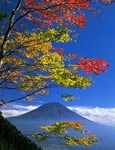
At 3,776 m high [12,388 feet], a snow covered Mt. Fuji is delightful to look at from a distance and an
impressive, even mystical, symbol of traditional Japan. In reality, however,
it is an extremely large volcano surrounded at it’s base by a dense forest.
Consequently, when viewed
up close in person, much of the trail above the tree line is found to consist
of small boulders and rocks which conspire to hinder your walking time
on both your ascent and decent routes, even though some of the trails are
extremely well traveled.
Also, above a certain altitude
you will find you experience noticeable fatigue as your breathing and movements
become slower. You are at a height where your body needs time to acclimatize
to the much higher altitude. There is little protection from adverse weather,
such as lightening, on the barren volcanic slopes except for small rest
huts on the upwards climb and virtually no shelter at all on the descent
route. After sunset there is total
darkness on the mountainside so take great care to go properly equipped
with a few basic essentials
and to allow more
hours than you think you will need, both ascending and descending, particularly
early in the climbing season when you may need to use crampons on some
stretches of the trail. If you don’t, you may easily get lost, hurt yourself
or selfishly cause others to be injured when trying to rescue you. The
ascending trail can often become heavily congested but during my
2001 descent towards the end of the afternoon I was amazed to have stumbled
across a 9 year old boy who had run on ahead of his parents and had become
separated as darkness fell, followed a few minutes later by an older couple
who were slightly disabled and had fallen behind and later still a middle
age businessman who had missed a sign marking the trail in the darkness
and was crouched on the ground unsure of where he was.
Until recently Mt. Fuji was
believed to be a dormant volcano, but observations of low frequency vibrations
below the mountain in 2000 and 2001 revealed it to be active. Although
Fuji has not had a major eruption since the early 1700’s it has killed
and injured many climbers, especially those that have strayed from the
approved trails, taken short cuts or climbed out of season without winter
equipment.
Please prepare properly before
you go and you will have a safe and enjoyable trek !
Return to:
Greetings
Safe trekking advice
Introduction to Fuji
Getting to Fuji
Climbing up
The summit
Climbing down
What to take with you
Last thoughts
Return to INSPEC home page